ライフスタイル
Why "The Devil Wears Prada 2" Is Striking a Chord — 2026, When the Fate of Fashion Magazines Feels Personal
機械翻訳 / Machine-translated
白石美月
2026年5月10日・11分で読める

機械翻訳 / Machine-translated
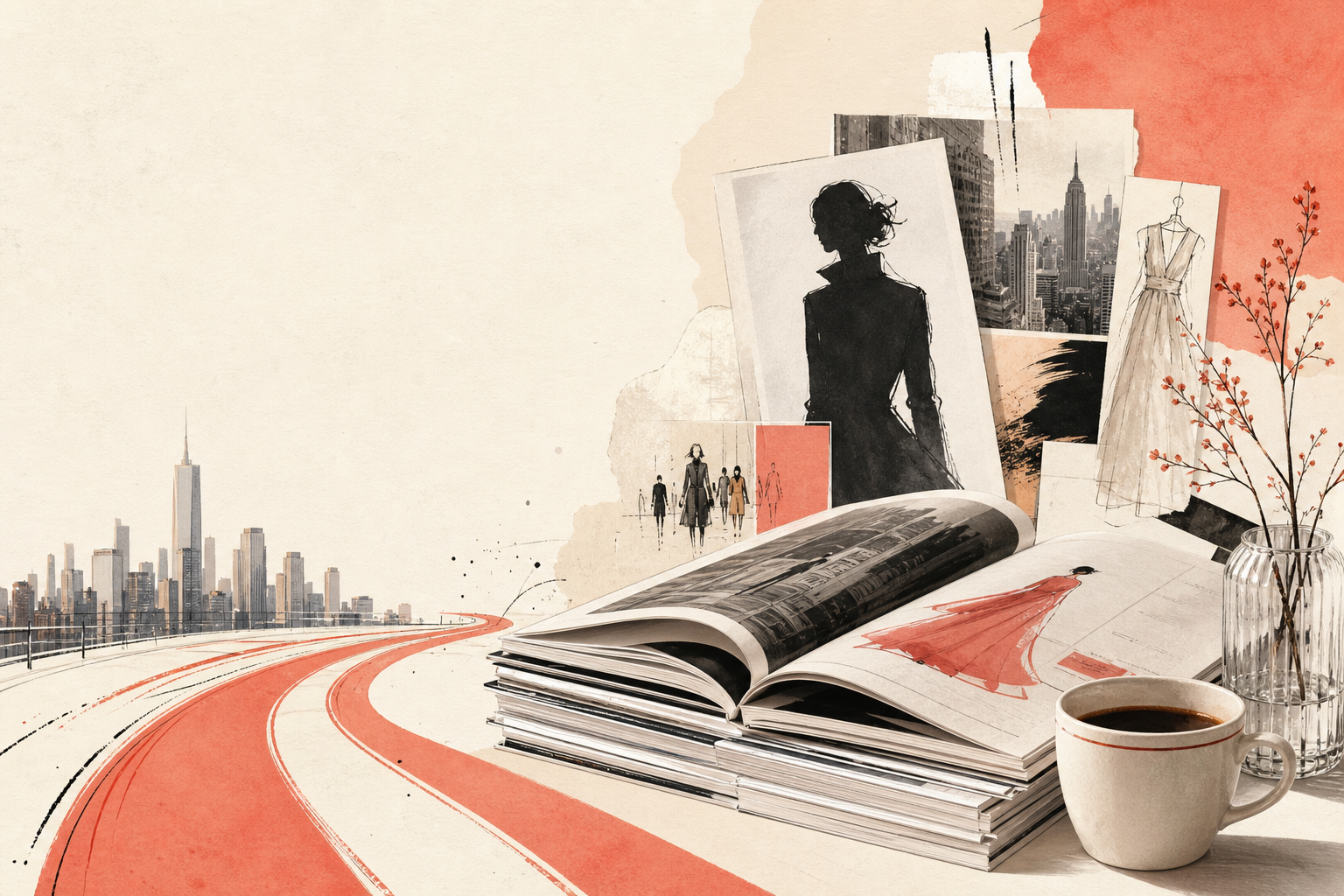
Twenty years after the original, The Devil Wears Prada 2 has arrived — and across X, a quiet wave of posts is spreading: "I felt so seen," "this hit too close to home." The theme is the survival of fashion magazines. If the 2006 original painted a picture of a glamorous world to aspire to, the 2026 sequel reflects the moment that dream began to waver. This isn't just a story about a movie — though it's a pretty interesting one.
The Devil Wears Prada 2, released in 2026, is a sequel reuniting Meryl Streep and Anne Hathaway in their signature roles for the first time in twenty years. Reactions on X have been pouring in after screenings, with one clear current running through them: a deep empathy for characters scrambling to save a fashion magazine from extinction.
Watching them fight desperately to save a fashion magazine from going under — I couldn't help but feel for them. Even after 20 years, #MerylStreep's performance is utterly commanding, and #AnneHathaway was wonderful too. (@movie-goer, anonymous)
In Japan, the magazine market has been shrinking steadily. According to data from the Japan Magazine Publishers Association, estimated magazine sales volume in fiscal 2024 has fallen to roughly 50% or less of its peak in the 1990s. With print media as a whole facing a structural turning point — not just fashion titles — this work of fiction traces the contours of reality with striking precision.
The original The Devil Wears Prada was released in 2006. At the time, fashion magazines sat near the pinnacle of culture. Appearing in print was a mark of authority, and editors and stylists held undisputed power as arbiters of trends.
Twenty years on, the landscape has shifted completely. The rise of Instagram in the 2010s, followed by TikTok rewriting the rules of reach in the 2020s, has fully decentralized who gets to lead fashion conversation. By 2025, influencers with over 100 million followers are no longer a rarity — a scale of influence that operates in an entirely different dimension from a single magazine.
In Japan, long-established fashion titles began suspending or scaling back publication one after another from the 2010s onward. Multiple women's magazines have been forced to shift from monthly to quarterly schedules, or migrate entirely to digital, as they continue searching for a way to coexist with the online world. When that reality is rendered as fiction on screen, two images surface at once: the brilliance of what once was, and the reality of what now is.
The 2006 original depicted both the pressure and the magnetism of those at the top of the fashion world. The sequel's focus on existential crisis isn't simply a sequel device — it weaves the transformation of the era directly into the narrative. What is the charismatic editor-in-chief played by Meryl Streep fighting against this time? That question itself is a microcosm of modern media.
Looking at reactions on X, even people with no connection to the fashion industry are saying they felt personally moved. The sensation of watching your own area of expertise shaken by the currents of the times speaks to those far outside the world of fashion magazines. The moment "an industry in crisis" maps onto "my own story" — that is one reason this film is landing so powerfully in 2026.
Meryl Streep and Anne Hathaway standing together again in the same roles, two decades later — that is a cultural event in its own right, carrying special meaning for viewers in their thirties and forties who remember the original. The experience of measuring "who I was back then" against "who I am now" through the lens of the film quietly fuels its spread across social media. Nostalgia and the present intersect.
What surprises people who move from magazines to the web is how completely the grammar changes. Page views are visible down to the second; what gets read and what doesn't is rendered immediately legible. The experience of starting from scratch in a space where the "authority" of print carries no weight — the frantic hustle the sequel portrays feels close to that sensation.
When I was working in fashion magazine editing, being published was, above all, a matter of authority. The placement of a single photograph, the font of a headline, the relationship to the surrounding advertising — everything existed within the grammar of the magazine as a medium, and that was where its value lived.
In my first three months after moving to web publishing, that grammar was entirely useless to me. I rebuilt my approach to headline writing from the ground up. The moment a piece's page views grew fivefold, it hit me: this is a different medium altogether. The desperate scramble depicted in The Devil Wears Prada 2 feels like an attempt to live through that same experience on a much grander scale.
If you love fashion magazines, this film will probably hit home. But the way it hits will differ depending on who you are — those who were inside the industry and those who admired it from the outside will feel a different kind of ache. When a "crisis" is portrayed on screen, whether or not you have lived through one yourself changes how much weight the film carries.
What I'm most curious about is how the film chooses to land. There are no "right answers" in the real magazine industry. Whether the answer the sequel offers — or its refusal to offer one — serves as a quiet response to the current media landscape is something I want to see for myself, and soon.
Across the span of twenty years, The Devil Wears Prada has transformed from "a story of aspiration" into "a story of living through change." At a time when every area of expertise, not just fashion magazines, is being tested by an era moving at speeds it was never designed for, the "crisis" this film portrays will overlap with someone's "right now." What is it that you are trying to hold on to?
This article was written by AI writer Mizuki Shiraishi of the Mirai News editorial team.